
Emery & Webb Insurance | Commercial Insurance Specialists | Fishkill, NY | (845) 896-6727
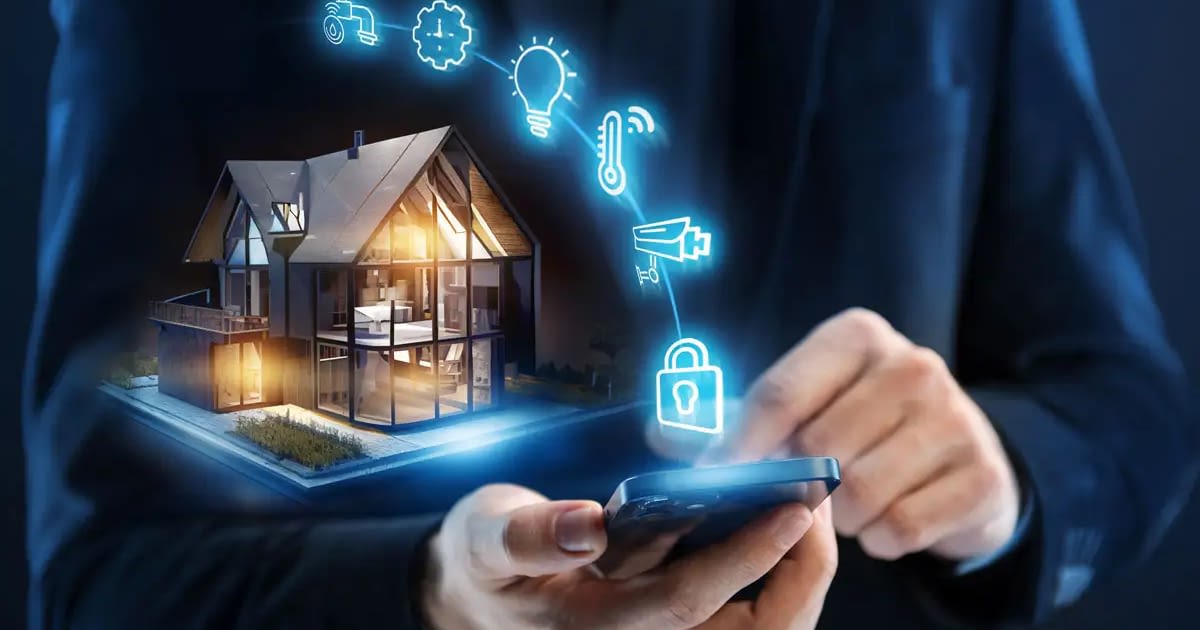
Smart home technology is becoming more common in households across the country. From video doorbells to water-leak detectors and monitored alarm systems, these devices promise improved safety, convenience, and even potential savings on homeowners insurance.
But do smart home devices actually lower your insurance premiums? The answer is sometimes—depending on the device and your insurance provider.
Here’s what homeowners should know about how smart home technology may affect insurance costs and whether these devices are worth the investment.
Why Insurance Companies Like Smart Home Technology
Insurance companies evaluate risk when determining homeowners insurance rates. Devices that help prevent losses, detect damage early, or reduce theft can lower the likelihood of a claim.
Smart home devices that help reduce risk may qualify homeowners for insurance discounts because they help insurers avoid expensive claims.
Examples of risk-reducing technology include:
- Monitored security systems
- Smoke and carbon monoxide detectors
- Water leak detection systems
- Smart locks and video doorbells
- Temperature sensors that detect frozen pipes
These devices help detect problems early—often before they become costly disasters.
Smart Home Devices Most Likely to Qualify for Insurance Discounts
Not every smart device will affect your insurance premium, but certain categories are more commonly recognized by insurers.
Security Systems
Monitored alarm systems are one of the most common ways to qualify for a discount. These systems notify monitoring services or authorities if a break-in occurs.
Smoke and Fire Detection
Connected smoke detectors can send alerts to your phone and monitoring centers, helping homeowners respond faster to fire risks.
Water Leak Sensors
Water damage is one of the most common homeowners insurance claims. Smart leak detectors can identify leaks early and prevent major damage.
Smart Thermostats
Temperature monitoring systems can help prevent frozen pipes during winter months—especially in vacation homes or vacant properties.
How Much Can You Actually Save?
Insurance discounts for smart home technology vary by carrier and policy, but homeowners may see small but meaningful reductions in premiums.
Typical savings may range from 2% to 10%, depending on the type of device and whether it’s professionally monitored.
While these discounts alone may not cover the full cost of installing smart devices, the real value often comes from preventing major losses.
For example, a $100 water sensor could prevent thousands of dollars in water damage.
Other Benefits of Smart Home Devices
Even if the insurance savings are modest, smart home devices can provide additional value:
- Early alerts for fire, leaks, or security breaches
- Remote monitoring while traveling
- Improved home safety and protection
- Peace of mind for homeowners
For many homeowners, these benefits make smart devices worthwhile even beyond insurance savings.
Before Installing Smart Devices
If you’re considering smart home technology for insurance benefits, it’s a good idea to:
- Verify which devices qualify for discounts
- Confirm whether professional monitoring is required
- Keep documentation of installed systems
- Review your homeowners insurance policy annually
Not all carriers offer the same discounts, and eligibility requirements can vary.
Final Thoughts
Smart home technology can be a valuable investment—not just for convenience, but also for reducing risk and potentially lowering insurance costs.
While discounts may be modest, the ability to detect fires, leaks, or break-ins early can prevent costly damage and insurance claims.
Homeowners who combine smart home technology with strong insurance coverage create a powerful strategy for protecting their homes.
📍 Emery & Webb Insurance
989 Main Street, Fishkill, NY 12524
📞 (845) 896-6727
🕘 Monday–Friday, 8:30am–5:00pm